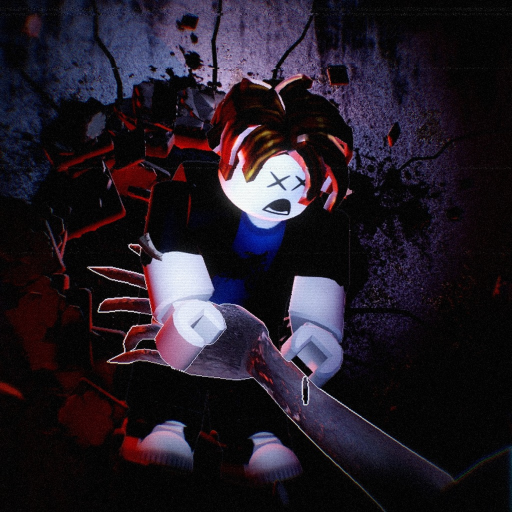
RobloxCo-op horrorPuzzle escape

Bedside Manner Wiki

Independent Bedside Manner Roblox Tween2Worlds wiki

This Bedside Manner game guide helps you solve hospital puzzles, handle pursuit and plan a cooperative escape. Use the Bedside Manner beginner guide to connect the controls with your first useful objective.

Developer
Tween2Worlds
Created
Sep 26, 2026
Visits
359,657
Rating
88.9%
See the hospital escape in motionWatch a cooperative hospital run, then choose the guide for the puzzle, control or escape decision you want to understand.39:45
Game type
Horror escape
Max server players
20
Supported devices
PC, Mobile, Console
Genres
Horror, Adventure, Story
Snapshot checked
Oct 16, 2026 (UTC)

Is the Bedside Manner Roblox wiki Fandom-run? This independent Bedside Manner website is maintained separately from Fandom, Roblox and Tween2Worlds.

Before the first attempt

Bedside Manner Beginner Guide: Start with a Clear Objective

Start a first Bedside Manner run with movement and interaction, then identify the puzzle or route obstacle in front of you. Learn the next useful action before trying to memorize an entire ending route.

Your first useful outcome Recognize the next hospital task and its action, rather than treating every unfamiliar obstacle as the same problem.

Already comfortable with the basics?The Bedside Manner walkthrough organizes escape objectives once the first inputs feel familiar.

  1. Prepare movement, kick and interaction

    You have entered the hospital but the inputs still feel unfamiliar.

    • On PC, identify Shift for sprint, F for kick and E for interact. On touch, use RUN, KICK and tap interaction before concentrating on clues.
    • Use the Bedside Manner controls reference when changing device families. Learn the actions you need immediately rather than trying every listed context at once.
  2. Keep the objective after an interruption

    A scare or chase has pulled attention away from the task you were doing.

    • Use the documented kick-or-run response if the creature threatens you. Choose where to move, then recover the clue, door or power objective once you can make a deliberate decision.
    • Bring one correction into the next attempt: clearer inputs, a better clue readback or a destination you can remember. Change the decision that disrupted progress.
Keep the scope small

The Bedside Manner beginner guide is preparation for a first session. Specialist puzzle and survival articles add the detail when that particular problem reaches you.

Beginner Guide
Promotional rewards

Bedside Manner Codes and Reward Status

No active promotional-code strings are listed. The Bedside Manner Codes page keeps that status explicit and separates redeemable rewards from the hospital color-keypad puzzle.

Code Status
No active codes listed

Tracking Bedside Manner rewards

A puzzle combination and a promotional reward solve different problems. Keep your hospital clues for the keypad, and use an actual game announcement before expecting a string to grant a reward. An empty list is more useful than a made-up promise.

Check the exact experience

Use the Bedside Manner Roblox game page so a similar title does not become the source of a reward claim.

Read the creator announcement

Follow Tween2Worlds community information for an explicit reward notice rather than treating a chapter label as a code.

Confirm the redemption context

A number used by the hospital keypad belongs to a puzzle. It should not be published as a reward string.

Keep the reward conditions separate

If a creator publishes a reward string, check its stated availability and conditions before using it. A page title does not establish a reward amount.

Follow the real announcement channel

Follow the Bedside Manner developer community for creator announcements. The button opens the real Tween2Worlds community. This site does not promise automatic alerts or request an email signup.

Creator Community
Editorial priorities

Bedside Manner Tier List: Survival Actions

Learn the essential responses before adding another equipment input. This preview ranks four documented actions for a beginner keeping a hospital escape moving. The Bedside Manner survival-action ranking explains the same scope rather than claiming an official power hierarchy.

Site-editorial rankingBeginner escape priorities

This editorial learning order puts immediate movement first, then a close-threat action, exploration visibility and the additional throw input. It does not rank damage or rarity.

  • Immediate pursuit response
  • A usable escape route
  • Support for the next objective
  • An extra contextual input
GradeActionDocumented roleLearning decision
S
SprintMovement response
Documented role
  • Running is an explicit response to the creature.
  • The control list supplies a sprint input for PC, controller and mobile.
Learning decision

If pressure scrambles your route, learn a destination together with the sprint input. Aim for purposeful movement.

A
KickClose-threat action
Documented role
  • The developer pairs kicking the creature away with running.
  • Kicking also belongs to opening hospital doors.
Learning decision

For close encounters, learn the kick input and where to move afterward. A grade does not guarantee safety.

B
FlashlightExploration support
Documented role
  • The hospital includes dark-room exploration.
  • Flashlight inputs are listed for the three control families.
Learning decision

For clue searching, use lighting to make the task readable, then retain the information. It does not replace a creature response.

C
Throw decoyAdditional equipment input
Documented role
  • Throw decoy is a published PC action.
  • Controller lists the shared Kick/Throw binding on RT.
Learning decision

Learn this extra input after movement, kicking and lighting are familiar. This placement does not assign an invented attraction radius or effect duration.

Editorial beginner-learning priorities do not establish hidden statistics or official developer grades.

From discovery to a deliberate attempt

Bedside Manner Puzzles: Organize the Color Clues

A useful clue survives the journey back to the keypad. Keep the color and number together, then check the collection before entering an answer. The Bedside Manner color keypad puzzle guide follows this information problem without presenting one player’s combination as a universal solution.

Build one readable set

  1. 1Collect

    Read both parts at the clue

    When you find a color-number clue, record or say the color together with its number before moving away. Use a simple shared format, such as “color, then number,” so a later callout does not depend on remembering who visited which room.

    Ready to leaveYou can repeat the complete pair without returning to the discovery.
  2. 2Check

    Read the collection back before input

    If several players search, have one person repeat the known pairs and let the others correct a mismatch. In solo play, perform the same check against your own notes. The Bedside Manner keypad troubleshooting guide helps separate an incomplete record from a deliberate attempt that was rejected.

    Ready to tryEvery pair you plan to use has a clear color and number, with disagreements resolved.
  3. 3Attempt

    Change a specific uncertainty after rejection

    Enter an answer based on the clues you actually collected. If it fails, identify what you were unsure about: a number, its color or the way the set was organized. Rechecking that uncertainty gives the next search a purpose; repeating a guessed sequence leaves the information problem unchanged.

    Useful next stepYou can name the clue relationship you will verify before another input.
Keep the objective through the encounter

Bedside Manner Survival: Respond When the Creature Interrupts

The developer’s response is direct: kick the creature away or run, with no hiding spots offered as the escape plan. The Bedside Manner creature escape guide expands that response. Here the useful distinction is when attention should shift from an objective to immediate movement.

Change the immediate job, not the whole run

While working on the objective
Attention
Read the clue, identify the door or recognize the generator task in front of you.
Movement decision
Know where you intended to go after this task so a sudden interruption does not erase the route.
When the creature threatens you
Attention
Use the documented kick-or-run response rather than continuing to stare at the puzzle.
Movement decision
Pick a destination you recognize. The Bedside Manner sprint guide connects the sprint input with a purposeful route.
Decision to observeYour next action matches the immediate threat while you still remember the unfinished objective.

Return with one unfinished task in mind

After moving away, ask what you were trying to accomplish before the interruption. Recover that task when you can make a deliberate choice: keep searching for its clue, find the intended door or continue toward power. This is an editorial attention strategy, not a claim that a kick creates a fixed safe period.

  • If your plan depends on a hiding location, revisit it: the official description says there are no hiding spots. The Bedside Manner hiding explanation clarifies this difference from hiding-based horror games.
  • If you repeatedly forget the destination during pursuit, simplify the route you are trying to remember before adding another objective. Success here means knowing why you are moving, not measuring an invented creature cooldown.
Next useful choiceYou can state the unfinished task and choose a route that serves it.
Three distinct equipment questions

Bedside Manner Equipment: Match the Input to the Task

Lighting, inventory and throwing are separate entries in the published control list. Use the task to choose the input you are looking for. The Bedside Manner equipment directory collects these references without assuming a battery system, item shop or an unannounced upgrade path.

ActionPublished inputsUse it forCheck before actingGuide
Visibility

Flashlight

Lighting input for exploring the dark hospital.

DevicesPC: Q · Controller: LT · Mobile: LIGHT
TaskMake room exploration readable while searching for the information your route needs.
ContextPC Q also leaves generator interaction. Match the input to the current task; the Bedside Manner flashlight guide keeps the ordinary lighting action distinct.
Interface

Inventory

The listed interface action has its own binding.

DevicesPC: Tab · Controller: Select
TaskFind the inventory input when you intend to open that interface, rather than substituting the interaction or throw binding.
Next checkUse the Bedside Manner inventory guide for the published reference. The available list does not define a mobile inventory button or item capacity.
Throw

Throw decoy

A named throw action, with a shared controller listing.

DevicesPC: Click · Controller: RT (Kick/Throw)
TaskIdentify the throw input after separating it from PC F for kick. Read the controller entry as the published shared binding.
Next checkThe Bedside Manner throw-decoy guide separates published inputs from unverified attraction radius, charges and effect duration.
Check the interaction context

Bedside Manner Controls for Generators

The published generator controls have their own operate and leave inputs. This context matters because a familiar key or button appears elsewhere in the same list. The Bedside Manner generator guide separates that input question from unsupported assumptions about puzzle timing or saved progress.

PC

PC: Q leaves the generator

You press the familiar flashlight key while thinking about generator operation.

Context to checkThe developer lists Q for flashlight in ordinary play and Q to leave generator interaction. Space is the generator action.

Identify the task
Decide whether you intend to operate the generator or leave it. When operating it, use the listed Space input rather than treating the flashlight binding as the generator action.
Separate the two contexts
Use Q when you intend to leave generator interaction. The Bedside Manner PC control reference puts that contextual entry beside the ordinary flashlight binding so you can check the distinction.
Observe the intended outcome
After leaving, choose the next route task deliberately. If the unresolved question concerns the generator objective itself, continue with its guide rather than inferring progress retention or a timing window from the key list.
Controller

Controller: A operates, B leaves

You associate B with sprint and are unsure which input belongs to the generator.

Context to checkThe controller list gives B/L3 for sprint, A for generator operation and B to leave the generator.

Name the immediate intention
For the generator operation, start from the listed A binding. For leaving that interaction, use B. Keep those intentions separate from the sprint action you use while moving around.
Check the device reference
The Bedside Manner controller controls guide keeps the ordinary and contextual entries together. Confirm the device family before carrying over a PC key or a touch label.
Choose the next question
If you have left the interaction and can state the next objective, the input distinction is clear. If the generator puzzle remains unresolved, look up that task; the binding alone does not prove a sequence, rhythm or reset rule.
Agree on the information, not just the destination

Bedside Manner Multiplayer: Coordinate the Next Decision

Cooperative play helps when players share the information another person needs for a decision. It does not remove the need to know the current objective. The Bedside Manner multiplayer guide develops that communication plan without assuming a verified party limit from the server-capacity number.

Version record checked

Snapshot as of

01Before the attempt

Choose a goal everyone understands

Players mention different routes or chapter expectations before starting.

  • Use the Bedside Manner walkthrough to frame the hospital escape goal. Agree on that goal before dividing the search.
  • The official description captured October 16, 2026 says Chapter 2 is in development; it gives no release date. The Bedside Manner Chapter 2 notice separates that announcement from a route to play. The captured title advertises a secret ending without supplying its route.
02During the search

Make a callout usable by another player

One player sees a clue while another is organizing the keypad attempt.

  • Say the color together with the number, then ask the receiver to repeat the pair. This checks the information transfer without requiring everyone to stand in the same room.
  • Resolve a disputed pair before adding guessed numbers. The correction gives the searcher a specific clue to revisit.
03At a revive prompt

Read the revive choice before answering

A revive prompt needs a device-specific response rather than an assumed condition.

Published controls
PC: Y/N · Controller: D-Pad Up/Down
  • Tell the group which prompt you are answering, then use your device’s listed input. Do not assume a revive price or unlimited attempts.
  • The Bedside Manner revive-friends reference keeps the published inputs and the limits of that information together. Read the actual in-game prompt when deciding what its choice means.
Is this the official Bedside Manner website?

No. This is an independent fan resource about the Roblox experience made by Tween2Worlds. Open the official Bedside Manner game to play, and use the creator community for its announcements. The wiki is not operated by Roblox, Tween2Worlds or Fandom.

Do guide dates mean the game received a patch?

No. Article dates describe publication or revision on this site. The dated Roblox snapshot and the chapter notice describe their own captured information. The Bedside Manner update notes explain the announcement scope without turning a title label into a complete patch history.

Can I choose a solo run instead of forming a group?

Yes. The official description supports playing solo or with friends. Solo play puts clue notes and route decisions in your hands; a group adds communication. The Bedside Manner solo guide develops the first option without claiming a different puzzle solution or an easier creature.

Does the listed server capacity prove the party limit?

No. The Roblox snapshot records a maximum of 20 players per server. That number alone does not verify a party size or a rule about how a group joins. Use the actual game interface for the group you are forming, and keep a server-capacity fact separate from an unverified party claim.